


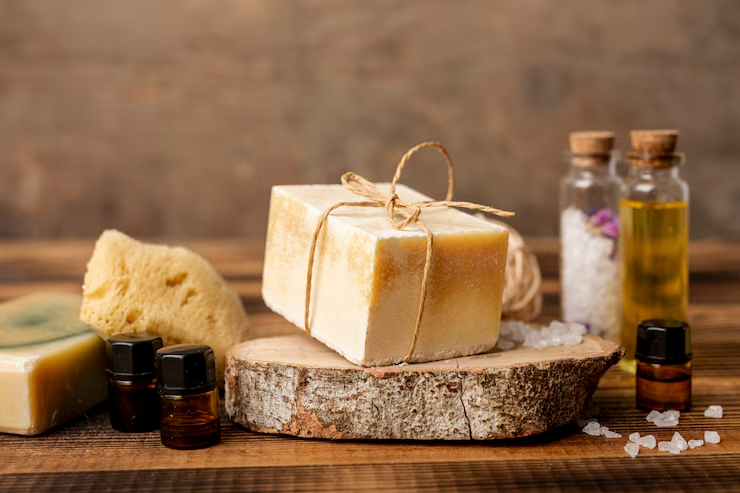
The hot process soap making is a time-honored method used to produce superior-quality soaps. Unlike cold process soap making, it involves cooking a mixture of oils and lye. The mixture speeds up the chemical process. What is hot process soap making? What are the advantages of this soap-making technique? How do you make soap using the hot process method? Some details here.
What is hot process soap making?
The hot process soap making is a chemical process that turns fats such as oil or butter into soap in the presence of caustic soda. What sets it apart is applying heat to the mixture, between 80 °C and 100 °C, to speed up the chemical reaction. This technique is used in particular to make traditional soaps such as Marseille soap.
What are the advantages of hot process soap making?
The advantages of using the hot process soap-making method are many. Here are a few:
- Reduced cure time : unlike cold process soap making, which requires several weeks of drying, soap made by the hot process is ready to use as soon as it has cooled.
- Adding sensitive ingredients : additives such as essential oils, plant extracts or colorants can be added after the soap has been cooked. That way, you can benefit from their properties.
- A faster process: cooking speeds up the chemical reaction, which allows faster soap production.
- Greater control : the hot process method offers better control over the texture and appearance of the finished soap.
Hot process soap making: what ingredients do you need?
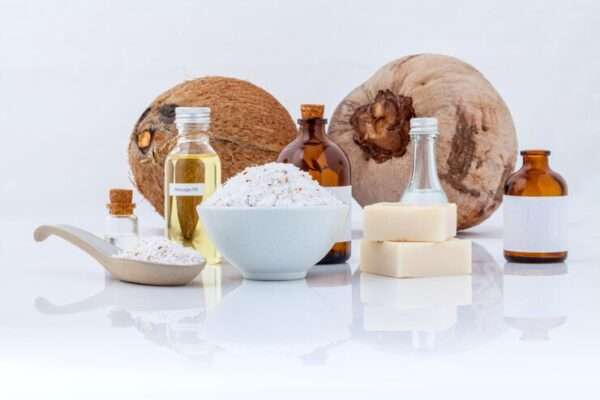
To make a soap by the hot process, you will need the following:
- Oils and butters: olive oil, coconut oil, shea butter;
- Caustic soda (NaOH) : used for the saponification reaction;
- Distilled water : to dissolve the soda.
- Additives : essential oils, natural colorants, dried herbs;
- Safety equipment : gloves, protective goggles, long-sleeved clothing.
- Equipment : stainless steel pan, wooden spatula, immersion blender, silicone molds.
What are the steps of hot process soap making?
The the hot process soap-making technique calls for a certain discipline and a well-established preparation plan. Here are the steps:
1 – Preparing the lye solution
To make soap by the hot process method, start by slowly pouring the caustic soda into the distilled water. Stir gently in a heat-resistant container.
This reaction gives off heat and fumes; make sure you work in a well-ventilated place and wear protective equipment (gloves, face protection and so on).
2 – Heating the oils
Melt the oils and natural butter over low heat until it reaches a temperature of around 80 °C. Use the oil of your choice. The choice will depend mainly on what you need. You can therefore use avocado oil, coconut oil and others
3 – Mixing the lye solution and the oils
Slowly pour the lye solution into the melted oils while stirring. Make sure your hands, face and arms are well protected. The mixing should be done when both mixtures are at similar temperatures, between 80 °C and 90 °C.
4 – Blending to trace
Utilisez un immersion blender to mix the oil and the soda until you reach trace, a thick texture like pastry cream.
5 – Cooking the soap paste
Transfer the paste to a slow cooker or a heavy-bottomed pan. Cover and cook over low heat for about 1 to 2 hours, stirring every 15 to 20 minutes. The paste goes through different phases: pasty, translucent and glossy.
6 – Adding the additives
Once cooking is finished, remove from the heat and let the mixture cool slightly . Add the essential oils, colorants or other additives of your choice.
7 – Molding
Pour the paste into silicone molds, tapping lightly to remove air bubbles. Leave to rest for 12 to 24 hours.
8 – Unmolding and drying
Unmold the soap and let it dry in the open air for a few days to allow excess water to evaporate. That improves the hardness of the soap.
What precautions should you take when making soap by the hot process?
The caustic soda is corrosive. Always wear gloves, protective goggles and work in a well-ventilated space to avoid the risks of splashing.
Also make sure the oil and soda mixtures are at similar temperatures before combining them, to avoid unexpected reactions.
Finally, use utensils in stainless steel, glass or heat-resistant plastic. Avoid aluminum, which reacts with soda.
Read also : How to make neem oil soap?
Tips for a successful hot process soap
Here are practical tips for a successful soap made by the hot process method:
- Use a saponification calculator : online tools such as SoapCalc let you work out the exact proportions of soda and oils needed for the quantity of soap you are making.
- pH test : before using your soap, check its pH to be sure it is safe for the skin. A pH between 8 and 10 is generally acceptable.
- Customization : experiment with different combinations of oils, butters and natural and additives to create unique soaps suited to your needs.
Hot process soap making: key takeaways
The hot process soap making is an effective, fast method for making quality artisan soaps. Mastering the process lets you create personalized soaps, matched to your preferences and your skin type. Order your 100% natural vegetable oils here to benefit from their many cosmetic properties.