


to test how well it works on your crops. Making a quality artisan soap starts with choosing your raw materials well. To do that, you have to select the components with care. Among them are vegetable oils . They bring softness, nutrition, lather and hardness to your soap. But each oil has its own particularities, which you need to know in order to create a balanced recipe suited to the skin's needs. In this article, discover a list of.
17 vegetable oils for making your soap
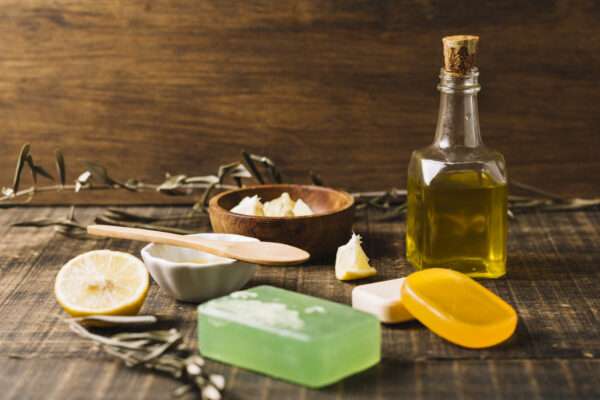
Why does the choice of oil matter so much in soap making? Each vegetable oil plays a very specific role in cold process or hot process soap making . Some harden the soap and give it a fine lather, others nourish and soften the skin. To obtain abalanced soap that is pleasant to use
, it is therefore recommended to combine different oils in the right proportions. Hard oils are generally combined, such as coconut oil or shea butter , with soft oils such as such as avocado oil or sunflower oil. This combination gives a soap that is solid, foaming and nourishing all at once.
Top 17 vegetable oils for making your soap
Here is a list of 17 vegetable oils that are 100% natural for making your soap:
1. Palm kernel oil
Palm kernel oil is obtained from the kernels of the palm fruit. Highly valued in soap making, it gives the soap a rich, creamy lather and good hardness.
It is ideal for reinforcing the structure of the soap and improving the quality of the lather. You can use it at 20% in your soap recipe.
2. Soybean oil
Soybean oil is extracted from soybeans. Rich in essential fatty acids and vitamin E, it softens, moisturizes and improves the texture of the soap and helps extend its shelf life. To make your soap, you can use it at 25% in your recipe.
3. Shea butter
The shea butter, from shea nuts, is essential for dry and sensitive skin. Rich in unsaponifiables, it nourishes, protects and softens. It gives the soap a creamy, nourishing feel. The recommended dose is between 10 and 20%.
4. Coconut oil
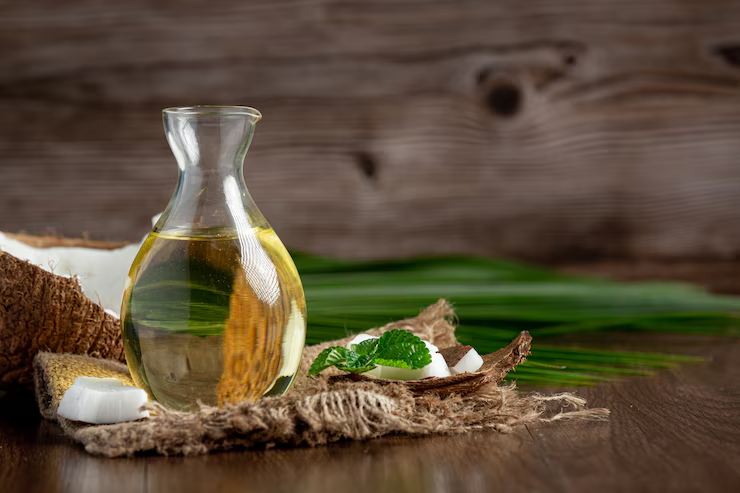
Coconut oil is extracted from the flesh of the coconut. It brings an abundant, creamy lather, like shea butter. Coconut oil also hardens the soap well.
That said, it can dry out the skin if used on its own. It is therefore advisable to combine it with gentler oils. You can use it at 20 to 30%.
5. Sunflower oil
Sunflower oil is obtained from sunflower seeds. It is rich in vitamin E and very softening. Sunflower oil stabilizes the formula and makes the soap more supple, while bringing extra care to the skin. For soap making, the ideal dose is estimated at 20%.
6. Neem oil
Neem oil is extracted from neem seeds. It is an oil renowned for its antibacterial, antifungal and natural and purifying properties. It is therefore perfect for soaps aimed at oily or problem skin. Its strong smell means you should not exceed 5 to 10% of the formula.
7. Baobab oil
Baobab oil, extracted from baobab seeds, is recognized for its regenerating and restorative virtues. It nourishes the skin, softens it and improves its suppleness. It is recommended up to 15 % for anti-aging or restorative soaps.
8. Baobab powder
The baobab powder comes from the dried pulp of the fruit. Rich in minerals and antioxidants, it can be added to soap for a very gentle exfoliating effect. One tablespoon per 500 g of oil is enough to bring its benefits.
9. Avocado oil
Avocado oil is extracted from the pulp of the fruit. It is extremely nourishing and restorative, perfect for dry or mature skin. It is used up to 20% in the formula and brings softness and elasticity to the soap.
10. Castor oil
Castor oil, from castor seeds, is valuable in soap making because it boosts the lather and softens the soap. You can use it at between 5 and 10%, since it encourages a fine, creamy lather that lasts.
11. Black seed oil
Black seed oil is extracted from black cumin seeds. Antioxidant, soothing and purifying, it suits sensitive, irritated or blemish-prone skin. A dose of 5 to 10% is enough for making your soap.
12. Hibiscus oil
Obtained from hibiscus seeds,hibiscus oil is nourishing and antioxidant. It improves your skin and gives the soap a natural pink tint. The recommended dose is up to 15 %.
13. Carrot oil
Carrot oil is a maceration of carrots in a vegetable oil. It brings a nourishing effect, revitalizes and brightens the complexion. You can use it in a proportion of up to 15% for its brightening benefits.
14. Fenugreek oil
Fenugreek oil is extracted from fenugreek seeds. Toning and nourishing, this oil is used in proportions ranging between 5 and 10% and it gives the soap firming and softening virtues.
15. Akpi oil
Akpi oil is obtained from akpi seeds. It nourishes, softens the skin and improves its elasticity. A dose of 5 to 10% is ideal, particularly for firming soaps.
16. Moringa oil
Extracted from moringa seeds, moringa oil is revitalizing and nourishing. Recommended for dull or tired skin, you can use it up to 15 % in your soap formula to draw out all its benefits.
17. Sesame oil
Sesame oil is obtained from sesame seeds. It nourishes, protects and softens the skin, while being rich in antioxidants. For an optimal result, respect the maximum proportions going 15 % to reinforce hydration.
Where to source your soap-making oils?
To guarantee the quality of your soaps, use oils that are pure, unrefined and well stored. Tchaou Group offers a wide range of these vegetable oils, available wholesale and retail. The products come from local production that is traceable and environmentally sound.
In addition to 100% natural vegetable oils, Tchaou Group offers personal support for any formulation or specific order.
Avec ces 17 vegetable oils, you have every resource you need to design soaps with properties that are: nourishing, and purifying , firming, exfoliating and more. Do not hesitate to Place your order here to source the oils to create unique soaps that respect the skin and the environment