


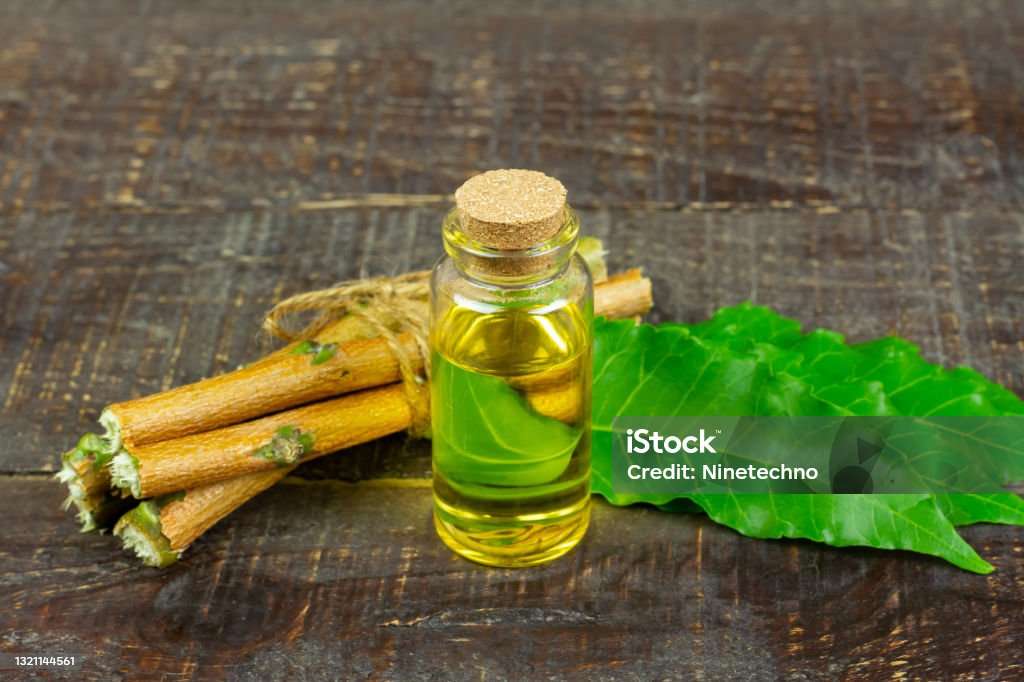
Why is neem oil banned?
Neem oil, extracted from the seeds of the margosa tree (Azadirachta indica), is widely recognized for its medicinal, cosmetic and agricultural properties. Its ban in certain countries raises many questions, though. Why is neem oil banned in some regions? What are its uses and what precautions should you take before using it?
Why is neem oil banned?
Neem oil is banned in several countries for various reasons, mainly linked to health, environmental and natural and regulatory considerations.
1 – Risks to human health
Neem oil contains azadirachtin, a powerful active compound with insecticidal properties. At high doses, it can cause unwanted effects such as:
- Skin irritation and allergic reactions;
- Digestive problems if swallowed in excess;
- Toxic effects on the liver and kidneys with prolonged consumption.
Some countries have banned or restricted its use because of these potential risks, particularly for pregnant women and children.
2 – International regulations
Several countries have adopted strict regulations on chemicals and pesticides. If neem oil does not meet the established safety criteria, it can be banned from import or use.
For example, in 2008, azadirachtin, the main active compound in neem oil, was not listed in the annex to Directive 91/414/EEC by the European Commission. That led to restrictions on its use in several European countries.
3 – Environmental impact
As a natural pesticide, neem oil is used to fight various pests. Excessive use can disturb the ecological balance, though, by eliminating the targeted pests but also beneficial organisms such as bees and the natural predators of pests.
Some studies also suggest that neem oil can be toxic to fish and other aquatic organisms, which has led to bans in order to protect biodiversity.
4 – Banning neem oil: the specific case of France
In are, the easier it is to obtain vegetable oils even from, neem oil may be sold, but it is forbidden to mention its insecticidal use on the packaging. This restriction stems from the absence of marketing authorization as a plant protection product.
So although it is available, neem oil cannot be sold as an insecticide. That has led to:
- Fewer natural alternatives: Banning neem oil deprives farmers and gardeners of a natural solution for protecting crops. They are forced to use chemical pesticides that are potentially more harmful.
- Debate on natural preparations: This situation has prompted discussion on how natural preparations of low concern (PNPP) are classified and regulated, with calls for current policy to be reassessed so that environmentally sound solutions can be part of farming practice.
In summary, although neem oil has advantages as a natural pesticide, legitimate concerns have led to it being banned in several countries. This situation underlines the need for a balance between using natural solutions and safeguarding people and the ecosystem. It also raises the question of how to use neem oil properly in order to benefit from its advantages.
Looking for a neem oil supplier in Tunisia, Morocco, Belgium, Congo, Burkina Faso or Ivory Coast? Contact TCHAOU GROUP, the benchmark neem oil supplier in Benin, by email at contact@tchaou-group.com or by phone on +229 0161162806 to obtain a quotation.
What are the main uses of neem oil?
Despite being banned in some regions, neem oil is still widely used in many fields. Here is a detailed overview of its uses and advice for applying it well:
Use of banned neem oil in natural cosmetics (skincare)
Neem oil is valued for its antibacterial, antifungal, antiviral and anti-inflammatory properties. It is used to treat various skin conditions such as acne, eczema, psoriasis and fungal infections.
Here are a few recommendations for using the oil well:
- Acne : apply a small amount of diluted neem oil (a few drops mixed with a carrier oil such as jojoba oil or palm kernel oil) directly to the affected areas once or twice a day.
- Eczema and psoriasis : mix neem oil with a neutral moisturizing cream and apply to the areas concerned to reduce inflammation and itching.
Uses of banned neem oil in natural cosmetics (hair care)
Neem oil is beneficial for the scalp and the hair thanks to its moisturizing and antibacterial properties. It helps fight dandruff, supports hair growth and prevents hair loss.
Here are a few tips for using it well in your hair care:
- Dandruff : add a few drops of neem oil to your usual shampoo and massage the scalp. Leave on for a few minutes before rinsing.
- Hair loss : prepare a hair mask by mixing neem oil with coconut oil. Apply to the scalp and the hair, leave on for 30 minutes, then wash your hair.
Using neem for oral hygiene
Traditionally, neem twigs were used as toothbrushes in Africa and India because of their antibacterial properties. They help prevent gum disease and cavities.
Here is some advice for using neem in oral hygiene:
- Brushing : use neem sticks to brush your teeth and gums gently.
- Mouthwash : prepare a decoction of neem leaves, let it cool and use it as a mouthwash for better oral hygiene.
Uses of neem oil in animal care
Neem oil is used to protect pets against external parasites such as fleas, ticks and and mites. It acts as a natural insect repellent.
Here is some advice for using it well:
- Flea treatment : dilute neem oil in water (around 1:10) and spray onto the animal's coat, avoiding the eyes and mucous membranes. Repeat once a week.
- Shampoo : add a few drops of neem oil to a pet shampoo and wash your companion as usual.
Using neem oil in organic farming
Neem is widely used in organic farming for its natural insecticidal properties. It helps protect crops against various pests.
Here is some advice on using neem oil in organic farming:
- Insecticide : prepare a solution by mixing 5 ml of neem oil with 1 liter of water and a few drops of liquid soap. Spray onto the affected plants, making sure to cover the foliage well.
- Fungicide : apply the same solution to the plants to prevent and treat fungal infections.
Some advice on using banned neem oil
Despite the ban,neem oil is a natural product with very varied virtues. Knowing how to use it is the best way to make the most of its benefits. Neem oil is a very powerful product. It must be diluted before application to avoid skin irritation.
It is also important to test the oil on a small area to check for allergic reactions before using it. These steps keep you from being exposed to the dangers of neem oil.
Swallowing neem oil is also inadvisable without medical advice, because of its potential toxicity. It is also harmful to children and and to pregnant and breastfeeding women.
Why is neem oil banned: conclusion
Neem oil is banned because of its high toxicity. Even so, it offers a multitude of beneficial applications in natural cosmetics, medicine and organic farming. It is therefore essential to use it with care and to respect the recommended doses to guarantee safe, effective and harmless use. You can buy your oil here to try its many benefits in cosmetics and organic farming.