


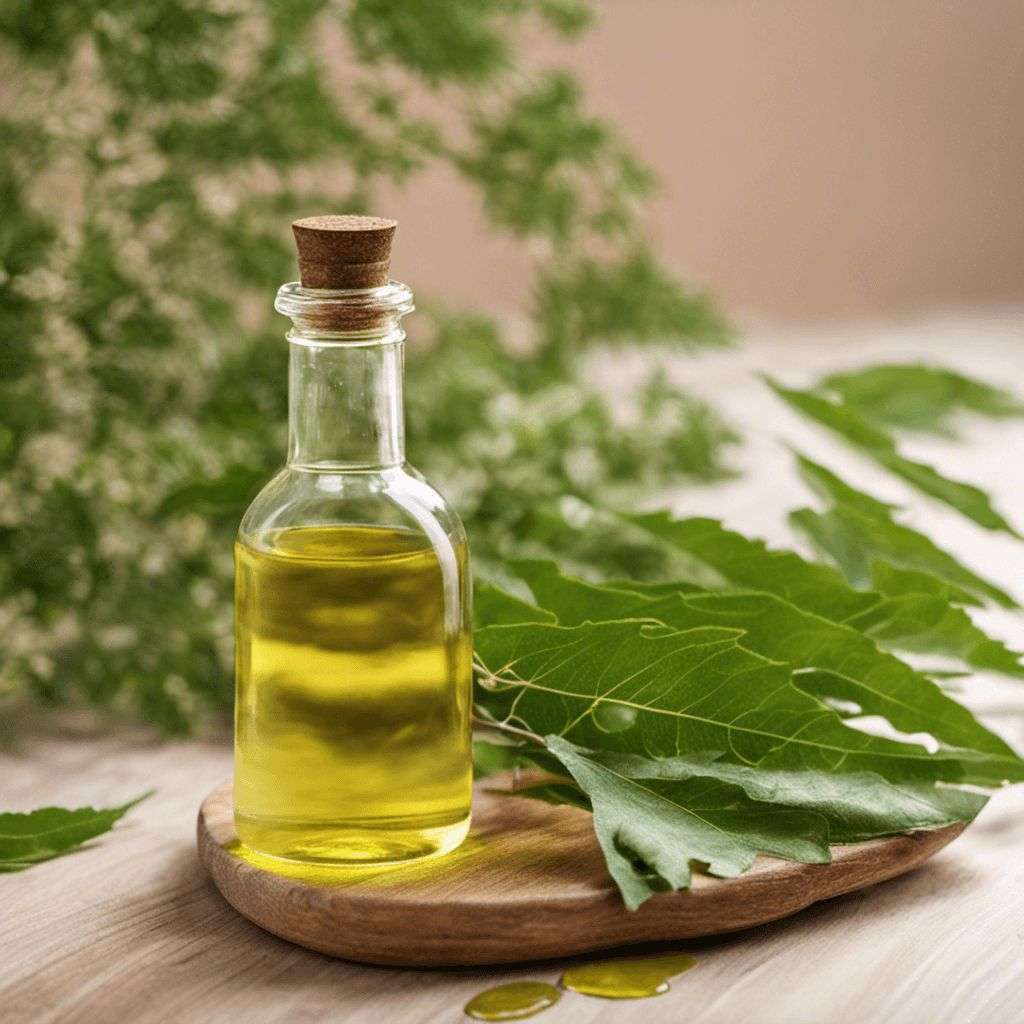
Neem oil, a natural repellent to adopt in organic farming
Neem oil is a promising solution in organic farming. Extracted from the margosa tree, this vegetable oil offers effective protection against a broad spectrum of harmful insects. It does so while preserving the health of plants and promoting biodiversity. Its antifungal and antibacterial properties also help limit the fungal and bacterial diseases that threaten crops. What are the properties and applications of neem oil in organic farming? How should it be used? What are the advantages and disadvantages of using it?
Definition and properties of neem oil in agriculture
Neem oil is a natural solution derived from neem seeds (Azadirachta indica). In agriculture, neem oil is valued for its many properties. It is indeed renowned for fighting crop pests and diseases.
It mainly has 03 properties, namely:
- insecticidal properties;
- fungicidal and bacterial properties;
- repellent and biostimulant properties.
Each of the properties of neem oil makes it an ally in organic farming.
The insecticidal properties of neem oil
Neem oil is mainly known for its remarkable insecticidal properties. Its main active component, azadirachtin, acts on a broad spectrum of harmful insects. It disrupts their life cycle and prevents them from feeding, reproducing and molting.
Among the insects targeted by neem oil are:
Les pucerons
Les aleurodes
Les thrips
Les cochenilles
Les chenilles
Whiteflies
And others.
Neem oil is also somewhat effective against certain nematodes and pathogenic fungi.
The fungicidal and bacterial properties of neem oil
Outre ses insecticidal properties, neem oil has fungicidal and bacterial properties. It strengthens the natural defenses of plants and disrupts the development of pathogenic fungi and bacteria in crops. Farmers use it to prevent and control fungal diseases (downy mildew, powdery mildew, brown spot, etc.) and bacterial diseases.
The repellent and biostimulant properties of neem oil
Neem oil acts as a repellent for many harmful insects. Its strong, unpleasant smell deters insects from approaching treated plants. This reduces the risk of plants being infested. To keep insects away and optimize crop protection, it is a highly recommended oil in organic farming.
Furthermore, neem oil can also have biostimulant effects on plants. It indeed stimulates plant growth and improves their resistance to environmental stress.
Are you looking for a natural neem oil supplier in France, Canada or Belgium? Contact Tchaou Group Manufacture at +22961162806.
How to use neem oil in organic farming?
Beyond its many properties, neem oil plays an important role as a fertilizer, repellent and source of nitrogen for crops.
Neem oil as a fertilizer
Neem oil contains fatty acids and organic compounds. These components are able to improve soil fertility and promote plant growth. They indeed stimulate the microbial activity of the soil, increasing the availability of nutrients for plants. In addition, neem vegetable oil helps improve the structure of the soil and retain moisture. This is particularly important in arid regions.
It can be used in its natural form or as compost. If you prefer the first option, dilute the neem oil in lukewarm water. Then apply it directly to the soil around the plants in your garden. As compost, you simply need to use neem oil-based products. You can also mix the oil into a compost. The mixture will enrich the compost and improve its quality.
Neem oil as a repellent
As indicated in the previous points, neem oil has a strong, unpleasant smell. It is therefore a natural repellent that is very effective at protecting plants. As a repellent, it is used to spray the leaves and stems after being diluted in water. Applying it to tree trunks also drives insects away naturally.
Neem oil as a source of nitrogen
Neem oil contains a small amount of nitrogen, a nutrient essential to the growth of plants. Although it cannot replace traditional nitrogen fertilizers, it provides crops with a nitrogen supplement in a natural and sustainable way.
To apply it to the soil, you simply need to dilute the neem oil in water and pour it around the plants. For composting, add neem oil to the compost to increase its nitrogen content.
What are the advantages of using neem oil?
essential advantages of neem oil in organic farming are many. There are, however, a few negative points that can be limits on its use.
A few advantages of using neem oil in organic farming
As a main advantage, neem oil is a natural alternative to chemical pesticides. As a result, it presents no danger in organic farming when it is used properly. Unlike chemical pesticides, it is very little harmful to insects. That said, it contributes positively to biodiversity and to the protection of insects, bees and ladybugs for example.
Also, as a natural pesticide, it is biodegradable. It does not pollute soils or groundwater. It is therefore environmentally friendly; that is its second advantage in organic farming.
In addition to being an excellent alternative to chemical products and environmentally friendly, neem oil stimulates the growth of plants. The nutrients (nitrogen, potassium and phosphorus) present in the oil improve soil fertility and stimulate the immune system of plants. The plants then become more beautiful and more resistant.
This article may also interest you: Banana fibers braided onto your scalp in Benin
A few recommendations for the proper use of neem oil
To enjoy its many advantages, neem oil must be used with care. For people with sensitive skin, prolonged contact with neem oil can be harmful. It is therefore essential to limit it in order to avoid the risk of skin irritation.
In addition, when neem oil is used excessively, it negatively affects the germination of seeds. To benefit from it, it must be used at the recommended doses. The instructions for use give the right application doses for each crop plant.
Conclusion
In organic farming, neem oil is an ecological and environmentally friendly solution. Its insecticidal, fungicidal, bacterial, repellent and biostimulant properties contribute greatly to the protection of plants. It is also a versatile natural product used as a fertilizer, a repellent and a source of nitrogen. Farmers who include it in their farming practices benefit from a higher harvest quality that respects the environment.
So do not hesitate to get some here to enjoy better profitability in organic farming.