

Baobab vegetable oil is very often used in cosmetics. It has various properties with very specific characteristics. In addition, it contains components suited to each individual for a satisfying result. Discover in this article 4 benefits of cold-pressed baobab oil in cosmetics.
What is cold-pressed baobab vegetable oil?
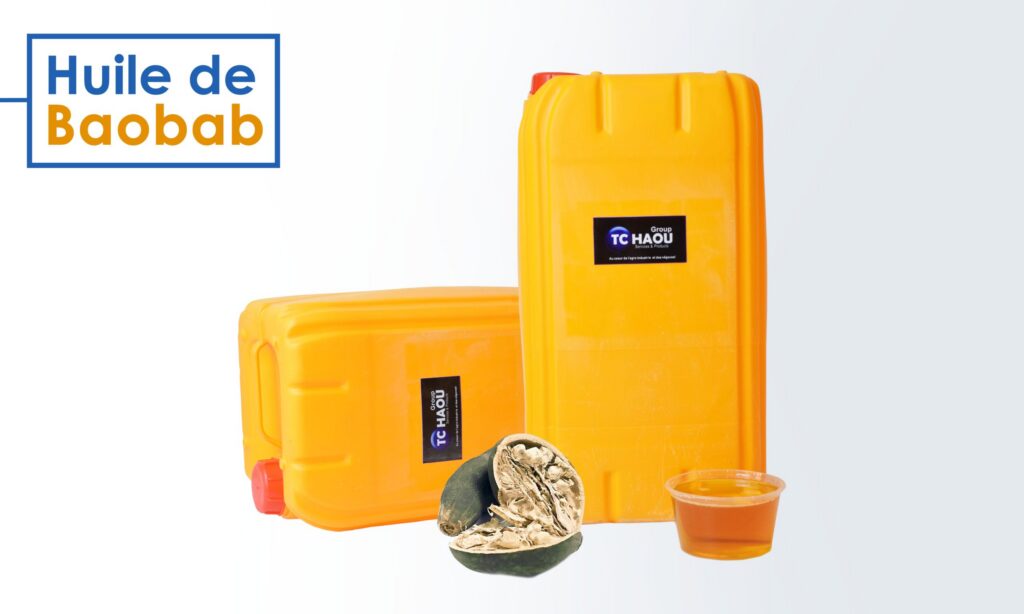
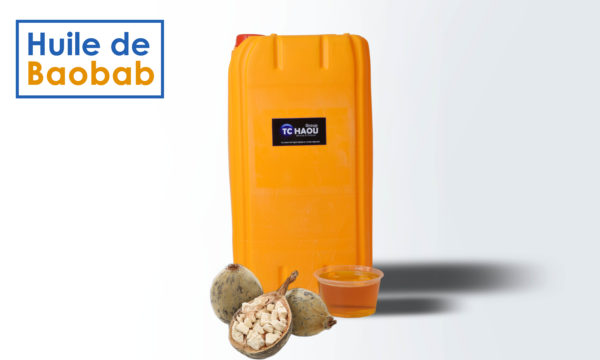
Cold-pressed baobab vegetable oil is derived from the seeds of the fruits of the baobab, scientifically or botanically named Adansonia digitata, which originates from continental Africa, Madagascar and Australia. It is an oil enriched with different vitamins, minerals and other nutrients. It is well known and is of great use in cosmetics.
Because of the presence of sterols, palmitic acid, vitamins A, F, C, D and E, baobab oil is used as a key ingredient in many hair care and skin care products. It belongs to the Malvaceae family as a defining icon of the African bush.
Indeed, extra virgin baobab vegetable oil has a dark yellow or dark golden color with a thick, heavy and rich consistency, then an earthy, nutty smell.
Use of cold-pressed baobab oil in cosmetics
Although the benefits of baobab oil are abundant, the most remarkable ones proven by different studies in recent years in cosmetics include the 4 uses that deserve to be mentioned.
1. For the care of the face and the skin
Cold-pressed baobab oil is a rich source of vitamin C, which makes it ideal for skin care. It plays an important role in the formation of collagen and elastin. It is clear that collagen helps firm the skin.
Beyond vitamin C, extra virgin baobab vegetable oil is an abundant source of antioxidants. With vitamins C and E, it has the ability to tighten the muscles of the face when it is used regularly. It thus delays the signs of aging such as wrinkles, fine lines and brown spots.
The antioxidants it contains remove free radicals and give flawless skin. Cold-pressed baobab oil is also said to have effects on an inflammation of the skin (dermatitis) that causes itching and the appearance of skin lesions such as psoriasis and eczema. Being a rich source of vitamin C and antioxidants, it prevents cell death and heals psoriasis. It acts against eczema, skin dryness and inflammation.
Likewise, extra virgin baobab vegetable oil can be used as a natural cleanser for the skin. When it is combined with another carrier oil such as jojoba (a kind of vegetable oil that suits babies and children better), it gives astonishing results.
Combined with grapeseed oil or lavender oil, it deeply nourishes the skin and naturally improves the skin texture. Beyond the above, it is very effective at removing dark circles.
Read also: 3 cosmetic vegetable oils you must include in your natural cosmetics
2. The benefits of baobab oil for hair growth
One of the best advantages of cold-pressed baobab oil is its ability to maintain healthy hair. Whether it is dry hair, dull hair or damaged hair, extra virgin baobab vegetable oil can work wonders. Baobab oil can be used with a gentle shampoo to leave the hair silky and shiny.
It must be done regularly in order to give a burst of nourishment to the hair. In fact, it locks in moisture and strengthens the roots of the hair by increasing the blood supply throughout the scalp.
Extra virgin baobab oil is massaged gently onto the inflamed parts of your scalp or onto your whole scalp. Baobab oil can quickly soothe inflammation. It nourishes the scalp, reduces irritation, controls the cytokines in the cells and decreases inflammation.
3. Against acne
Cold-pressed baobab oil helps some people improve acne because it is rich in linoleic acid, a kind of fatty acid that has anti-inflammatory properties. Baobab oil has a unique profile with exceptional amounts of omega 6 and 9, helping to retain moisture and regenerate new skin cells.
Baobab oil has exceptional anti-inflammatory properties that make it a suitable natural treatment for a range of common inflammatory skin conditions. It treats the symptoms of the skin disease and helps reduce redness, swelling and irritation.
When a flare-up is on the way, applying baobab oil can reduce the symptoms. There are even greater advantages if you combine your baobab oil with a good-quality essential oil such as lavender or tea tree oil.
4. Use of baobab oil against stretch marks
Whether it is for stretch marks after pregnancy or of other kinds, baobab oil can be useful. Applying a good amount of baobab oil to the stretch marks, followed by a massage every day for 20 minutes before going to bathe, helps put an end to stretch mark problems.
This helps reduce the appearance of stretch marks by triggering the synthesis of collagen and elastin fibers under the skin.
The benefits of cold-pressed baobab oil in cosmetics: what to remember?
Cold-pressed baobab vegetable oil in cosmetics is highly effective. It is one of the richest sources of calcium and antioxidants. Since it is not an essential oil, it is not powerful in nature.
Consequently, baobab oil can be used directly on the skin as an ointment. However, consuming it is highly advised by dietitians because it contains nutritional values (proteins, calcium, carbohydrates, etc.). On the other hand, the fruit of the baobab, its leaves, its roots and its seeds are edible. Indeed, its young leaves are used in various soups.
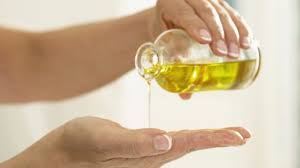
It can be adopted as a massage oil, a beauty oil and an anti-inflammatory. Cold-pressed baobab vegetable oil mixed with the oil of neem; nourishes both the skin and the hair, destroys acne and stretch marks. A gentle, deep massage with baobab oil (mixed with a few other oils) makes it an incredible beauty product.